#91/254
“[Kent County] comprises 878 square miles of rolling, broken terrain, part prairie and part mesquite woodland, drained by the Salt and Double Mountain forks of the Brazos River.”
“The earliest evidence of man found in the area consists of artifacts of the Folsom culture, dating back approximately 10,000 years. Comanches of the Wanderers band dominated the area in more modern times; they were a people even more restless and wide-ranging than the other Comanches, who flourished in the eighteenth and nineteenth centuries as mounted hunters and raiders.”
“In 1872 Ranald S. Mackenzie and his soldiers routed the Comanches at Treasure Butte, southeast of Clairemont. Treasure Butte is also famous as the supposed site of Mexican treasure, but seekers of it have not yet been rewarded. When the buffalo were locally exterminated and the Indians removed, the country was opened to settlement.”
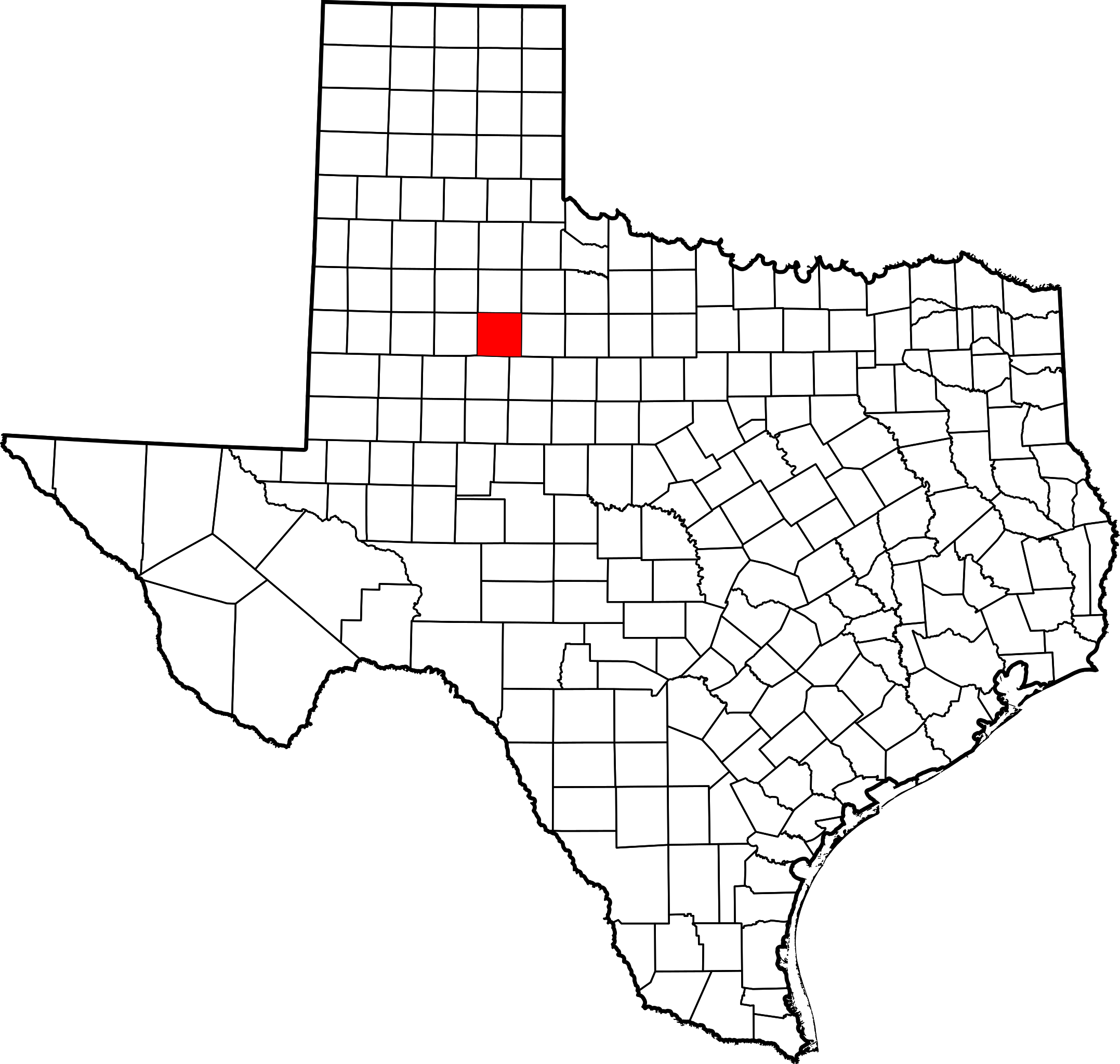
“Kent County was marked off in 1876 from Bexar and Young counties and named for Andrew Kent, one of the so-called “Immortal Thirty-two” from Gonzales, who became immortal by dying at the Alamo (some scholars question that the number was thirty-two, or that they were all from Gonzales). Until Kent County was organized, Scurry County assumed the duties of judicial administration. Cattleman R. L. Rhomberg settled in Kent County in 1888 and named a midcounty settlement Clairemont for his daughter, Claire. The county did not attract many settlers.”
“Kent County was organized in 1892 with Clairemont as the county seat, and settlement accelerated. By 1900, 899 people lived in the county and 134 farms and ranches had been established. Oats (3,330 acres) and corn (1,069 acres) were the county’s most popular crops, but the cattle business continued to dominate the economy; almost 29,600 cattle were counted in Kent County that year.”
“In 1909 the Stamford and Northeastern Railway built a line across the county’s northeast corner. The railroad, which connected Stamford and Spur, later became part of the Wichita Valley Railroad. As the railroad encouraged the settlement of Swedes and others, Jayton was founded in the eastern part of the county in 1909. By 1910 Kent County included 326 farms, and the county population had reached 2,655.”
“In 1920 the census counted fewer than 18,000 cattle, while cotton, the most important crop, was planted on 19,410 acres; and more than 7,200 acres was planted in corn and wheat that year. The trend extended into the 1920s; fewer than 16,000 cattle were counted in Kent County in 1930, while almost 49,000 acres was devoted to cotton culture.”
“Unlike some nearby counties, Kent County never really recovered from the agricultural decline brought on by the Great Depression and the subsequent disenchantment with dry-land farming. By 1950, only 2,249 people lived in the county.”
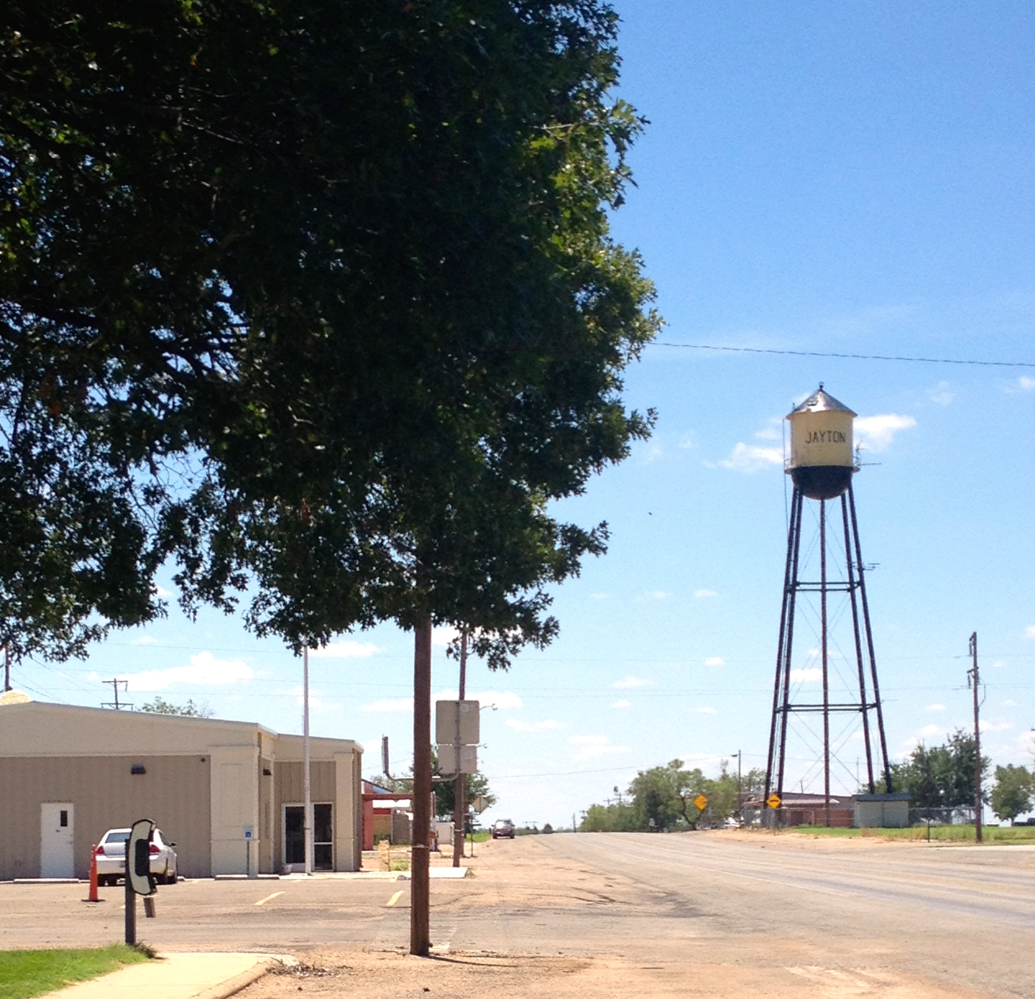
“The population dropped to 1,727 in 1960, 1,434 in 1970, 1,145 in 1980, and 1,010 in 1990. Jayton became the county seat in 1954, after a two-year political struggle. Clairemont’s growth had long been retarded by lack of rail service, and after 1954 the town was largely abandoned. Jayton (1982 population, 618) has more than half of the county’s residents. Girard, Clairemont, and Polar are other communities.”
William R. Hunt, “KENT COUNTY,” Handbook of Texas Online
I was the guest of Kent County and Jayton on July 28, 2013.
______________________________________________________________________________
Kent County Courthouse 1893 – Clairemont
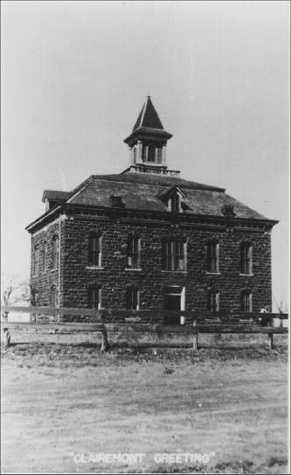
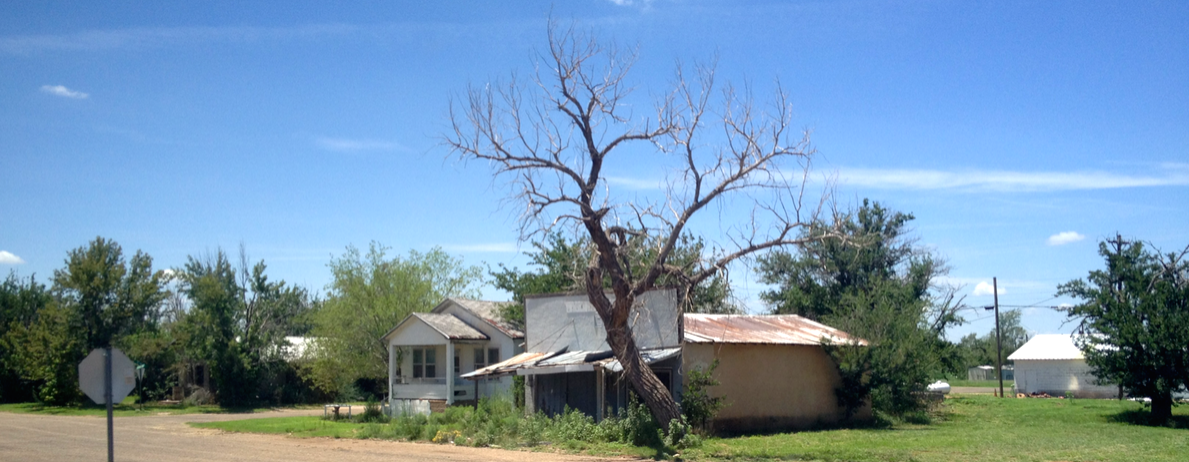
While Clairemont served as Kent County’s seat, an Italiante building designed by Martin, Byrne, and Johnston sufficed as the courthouse. It still stands, though it it missing the top floor and the tower. Currently, it is a community center for the remaining handful of people that call Clairemont home.
(Photo Courtesy: THC)
______________________________________________________________________________
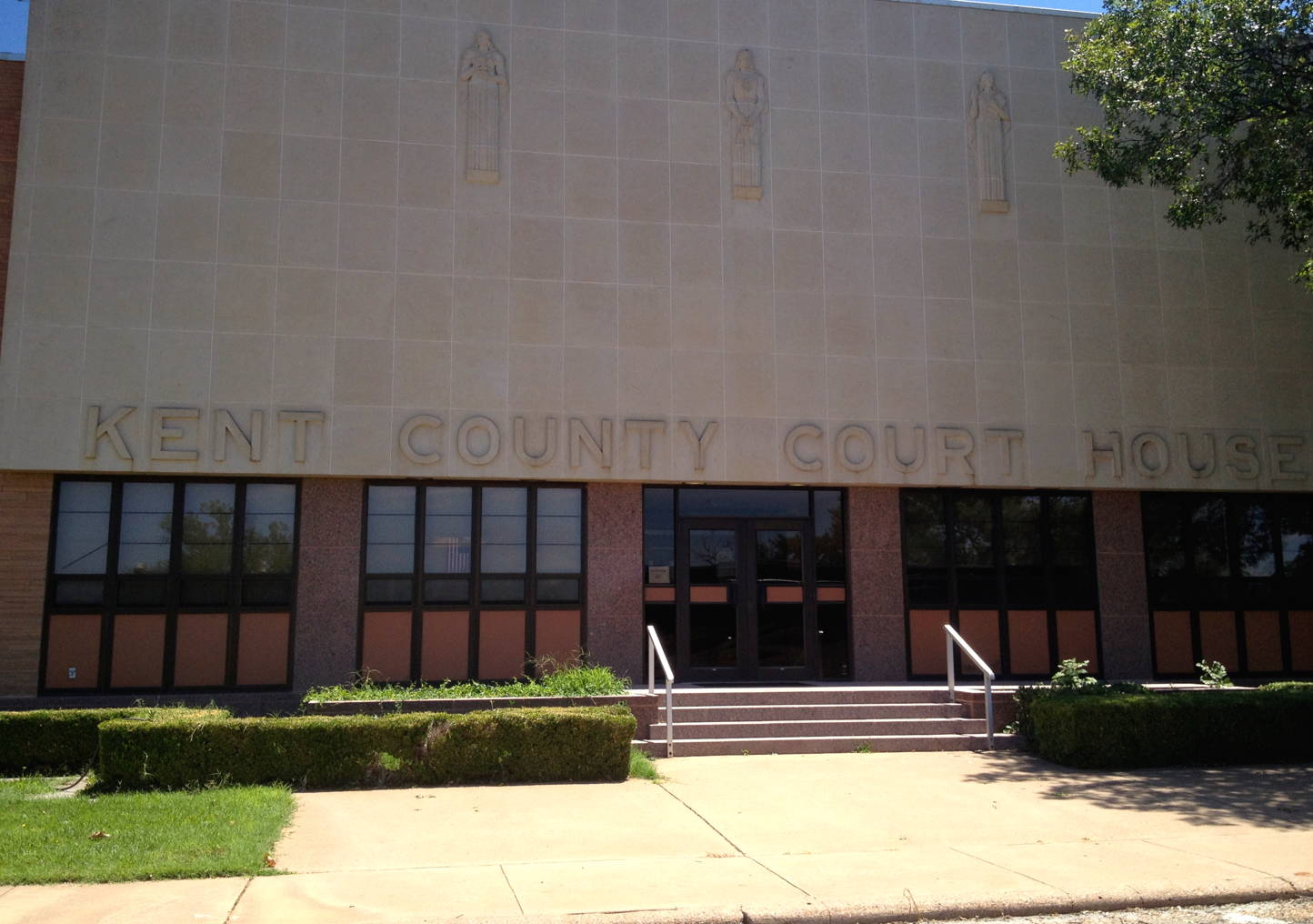
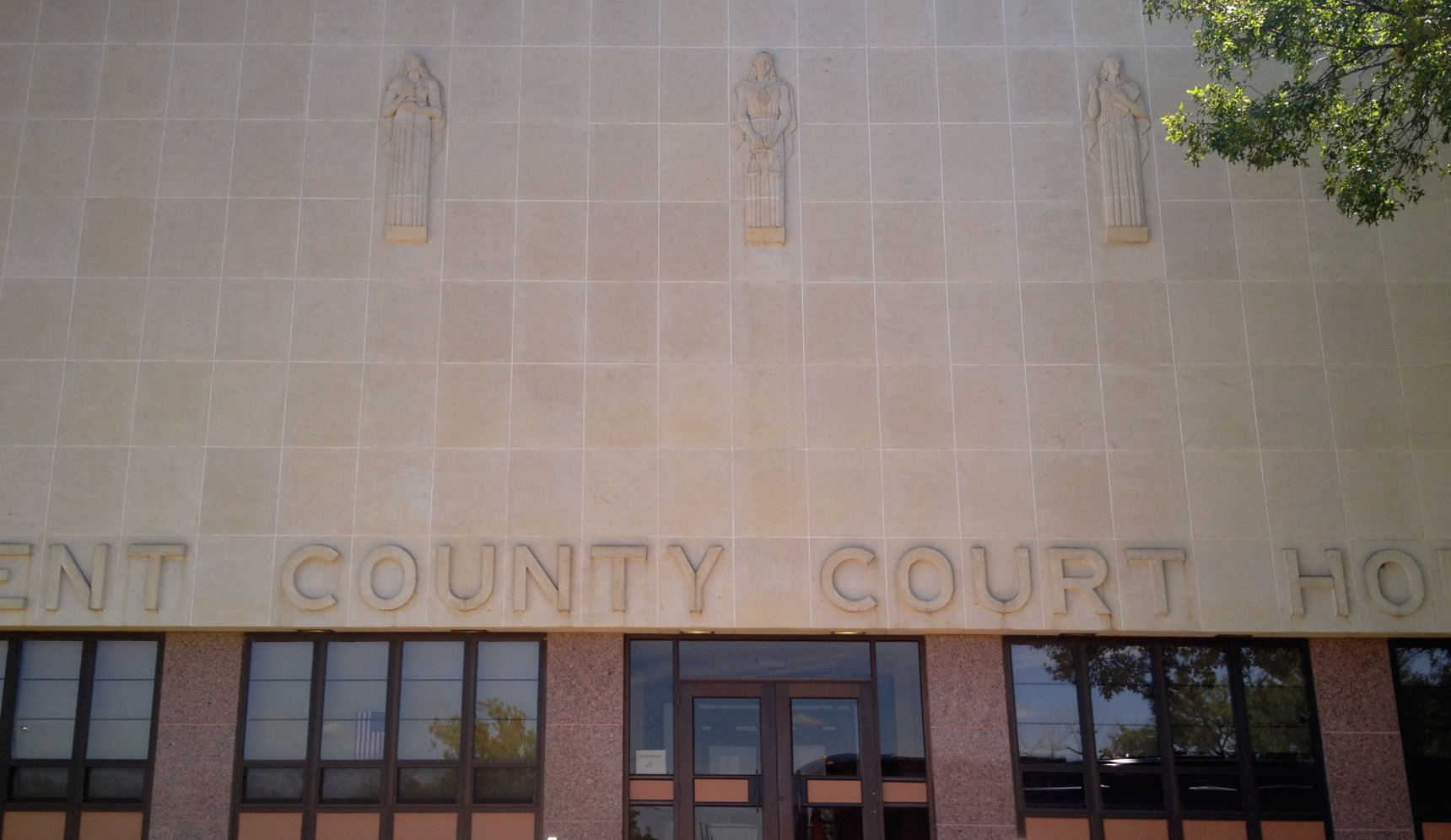
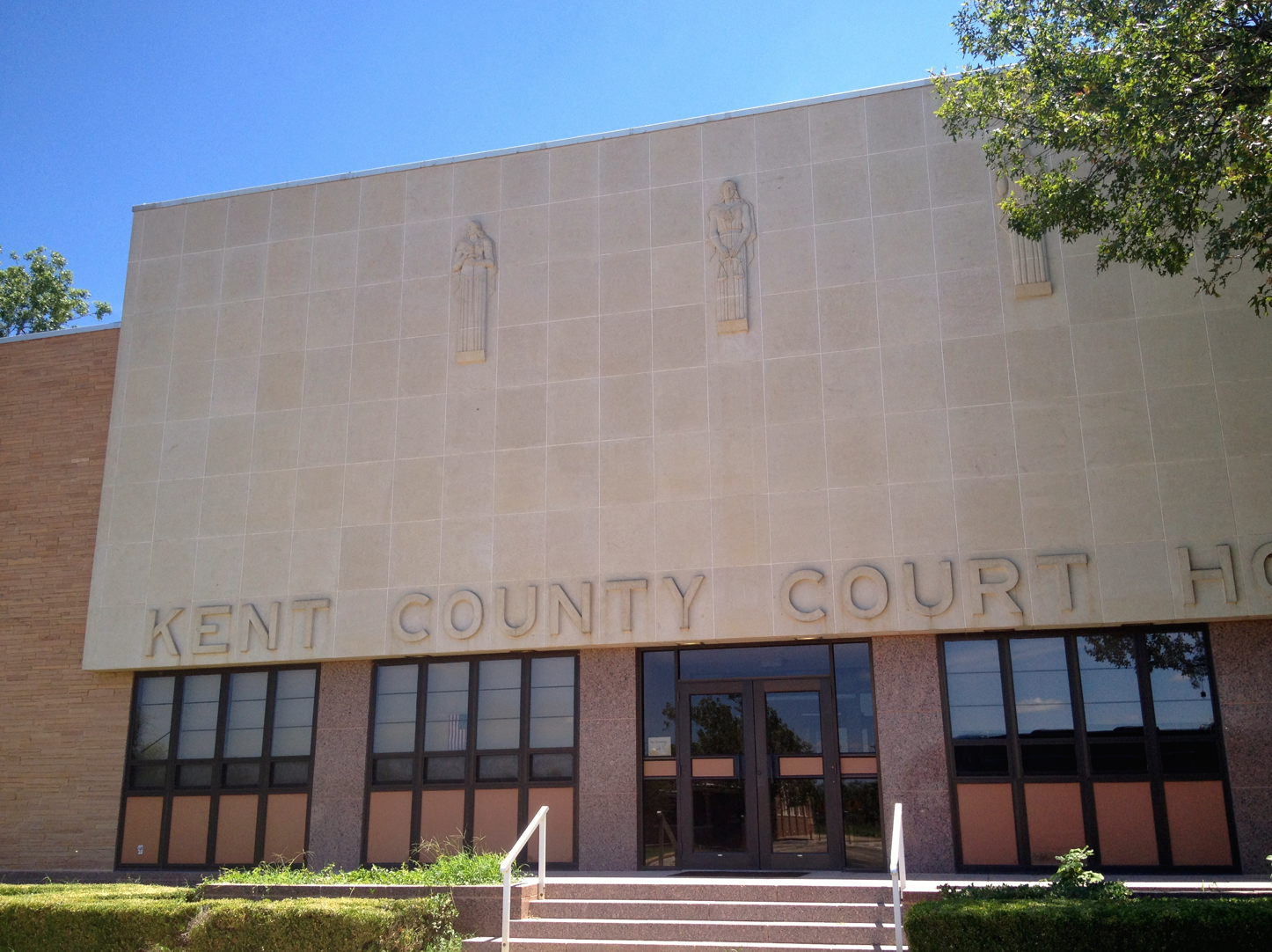
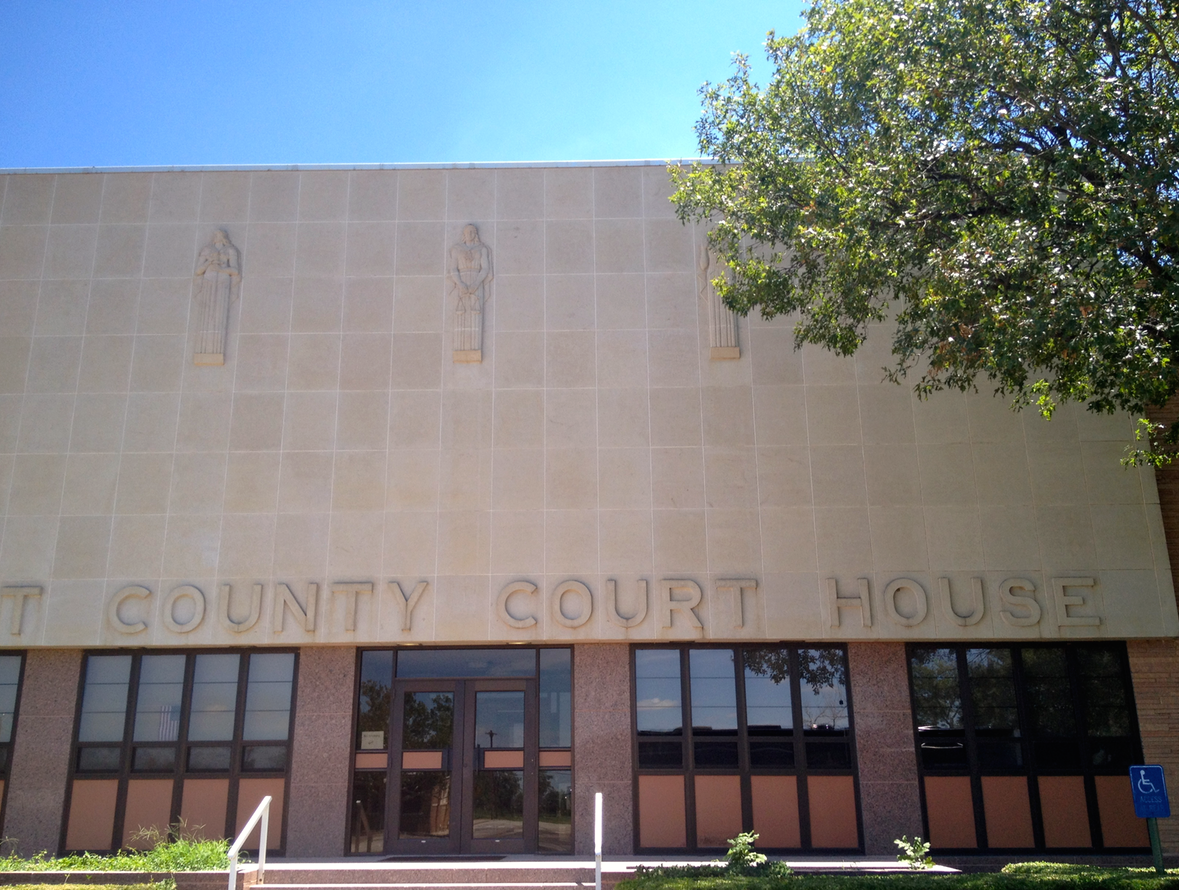
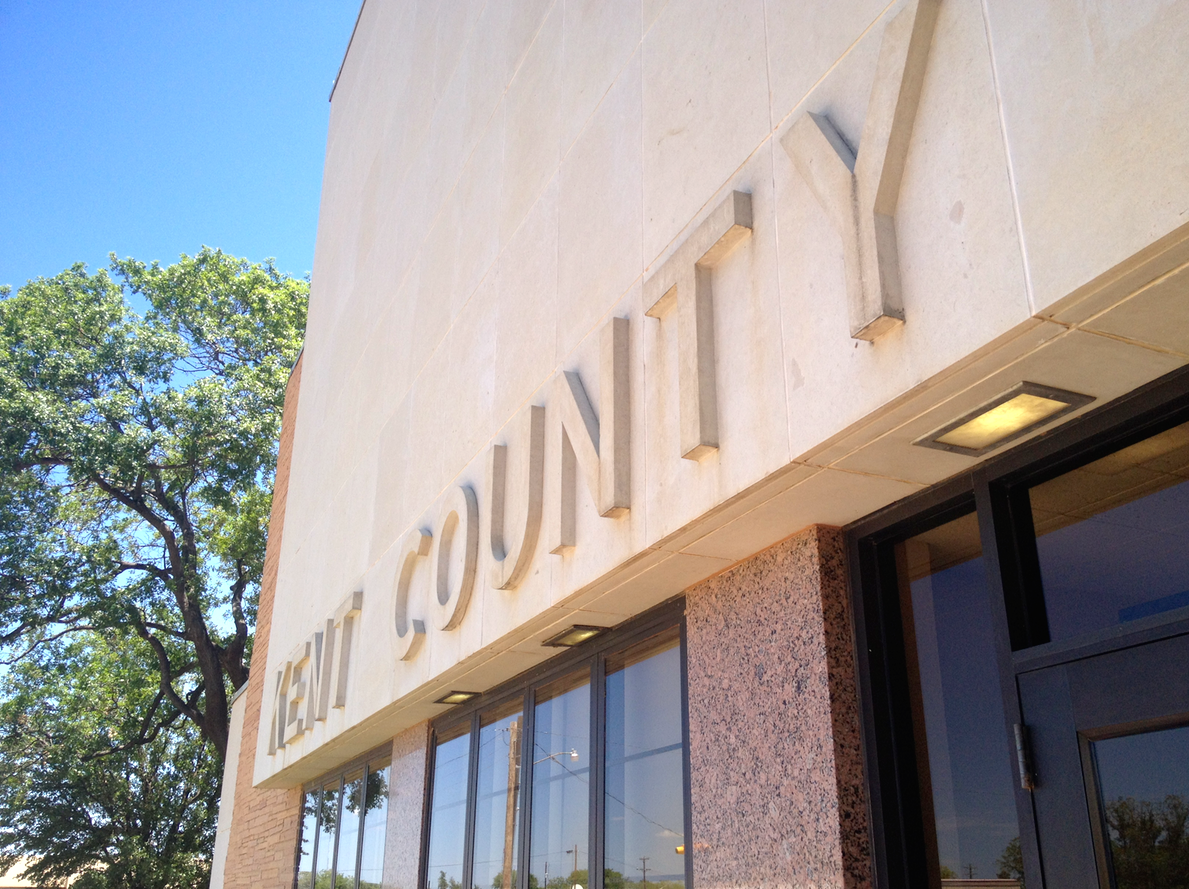
Kent County Courthouse 1957 – Jayton
Architect: Wyatt C. Hedrick
Number for the County: Second
Style: Modern