
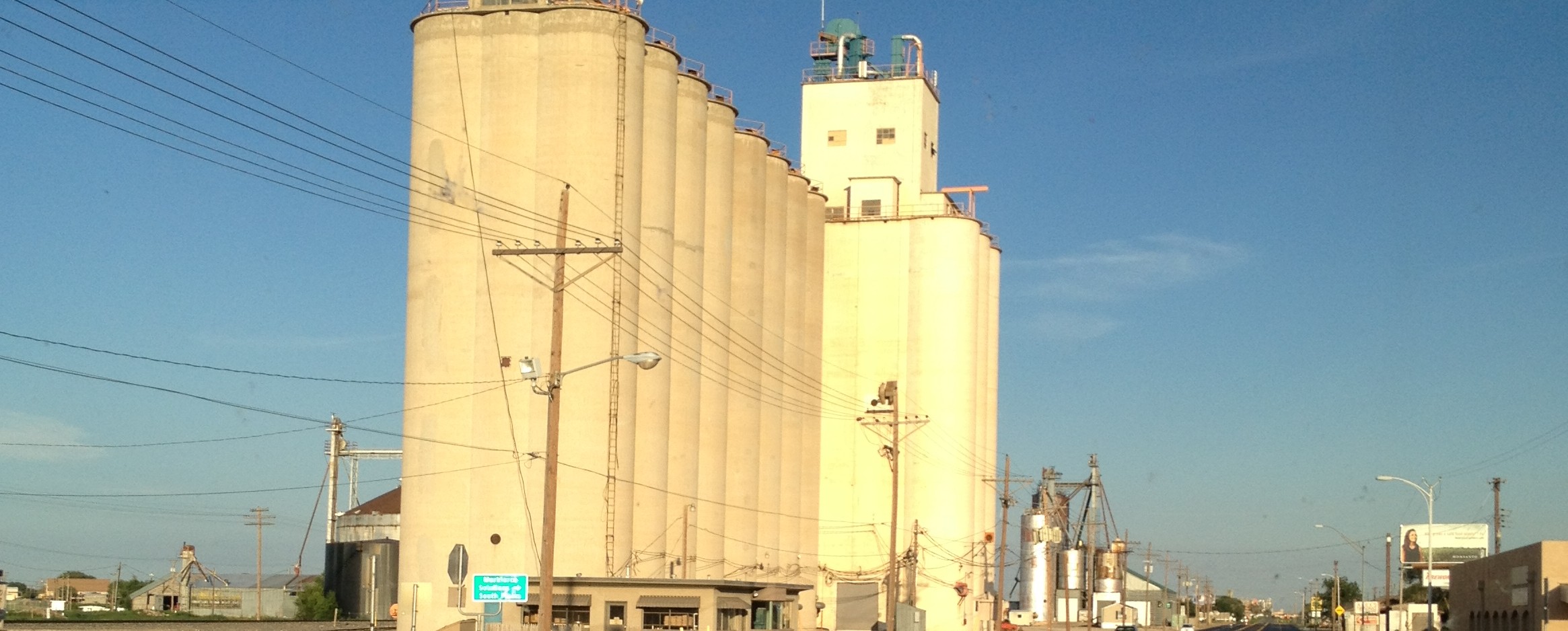
 #83/254
“The county was marked off from Bexar County in 1876 and named for Peter J. Bailey, an Alamo hero. Bailey and twenty-one other counties newly formed at the time were attached to Jack County for judicial purposes. In 1881 jurisdiction of Bailey County was transferred from Jack to Baylor County; then, in 1887, to Hale County; and in 1892 to Castro County. Settlement of Bailey County did not come early, since the XIT Ranch held most of its land from 1882 until the division and sale of the ranch in 1901.”
“Even after the XIT sold lands in 1901, other large ranches (the VVN, the Snyder, the Bovina Cattle Company, the YL, and the Muleshoe) dominated the region. As late as 1900 the United States census counted only four people living in Bailey County.”
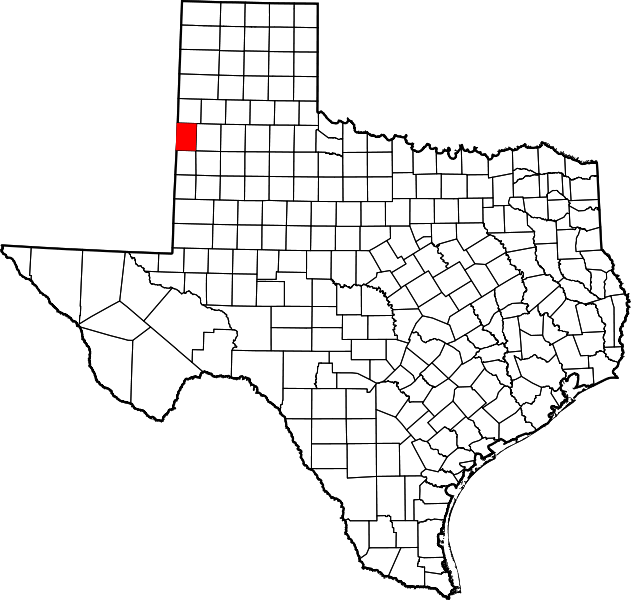
“The county developed rather quickly during the early twentieth century, however, as old ranchland was divided up and sold to farmers by land developers. From 1906 to 1912 the Coldren Land Company and the Vaughn Land Company held promotions in Bailey County. Midwestern farmers took special excursion trains to nearby Farwell, then were taken south and shown Bailey County lands selling at ten to twenty dollars an acre. In 1909 the county’s first irrigation well was dug. By 1910, seventy-one farms had been established in the county and the population had increased to 312.”
“Hoping to establish a taxing authority that could provide schools and roads for the area, residents decided to organize the county. They raised $1,500 to send delegates to Austin to lobby for a revision of the minimum county-voter requirement to seventy-five. Despite the opposition of ranchmen who feared that organization would bring taxation, the delegates succeeded. A county seat election followed in 1919, with Muleshoe carrying seventy-four of the 111 votes cast.”
“During the 1920s and 1930s new conditions helped to transform the county’s economy from ranching to farming. Ground water was discovered at depths of twenty to forty feet, and large ranches were broken up and sold as farm tracts. Both the Watson Ranch and the Newsome Ranch, for example, were subdivided in 1924 and 1925. While many of the new farmers grew wheat, corn, and forage crops, a rapid expansion of cotton farming was responsible for much of the development of the county during these years.”
“The first cotton grown in the area was sent to Plainview for ginning; but Bailey County got a gin in 1923. By 1924 there were 302 farms in the county, and by 1929, 758 farms had been established there. The expansion of cotton farming continued in the county even during the years of the Great Depression, when cotton farming in other parts of the state suffered severe declines. By 1940 cotton production in Bailey County took up almost 45,000 acres, and the number of farms had increased to 820. Because of this growth, the population of the county rose significantly during this period.”
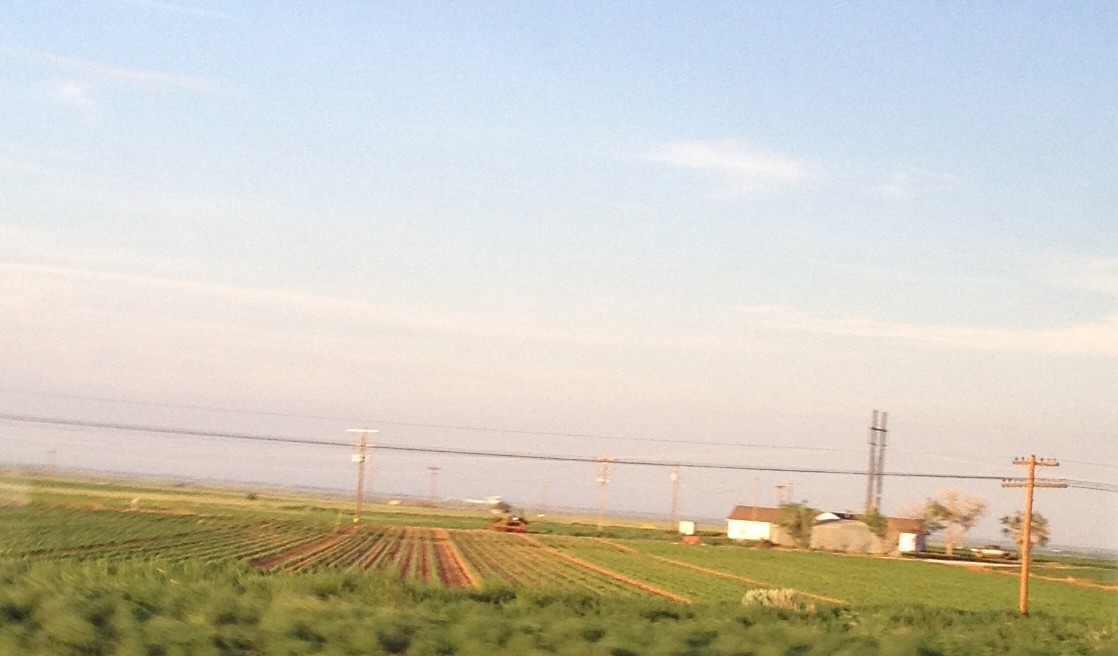
“In the early 1990s the county had 160,000 acres of irrigated lands and was among the leading counties in agricultural income. It has been said that Bailey County ‘is one of the few areas in the United States that can produce varying crops such as cotton, wheat, corn, grain, sorghums, soybeans, castor beans, hay, peanuts, cabbage, lettuce, peas, and beans.’”
William R. Hunt and John Leffler, “BAILEY COUNTY,” Handbook of Texas Online
I came to Bailey County and Muleshoe on July 27, 2013.
______________________________________________________________________________
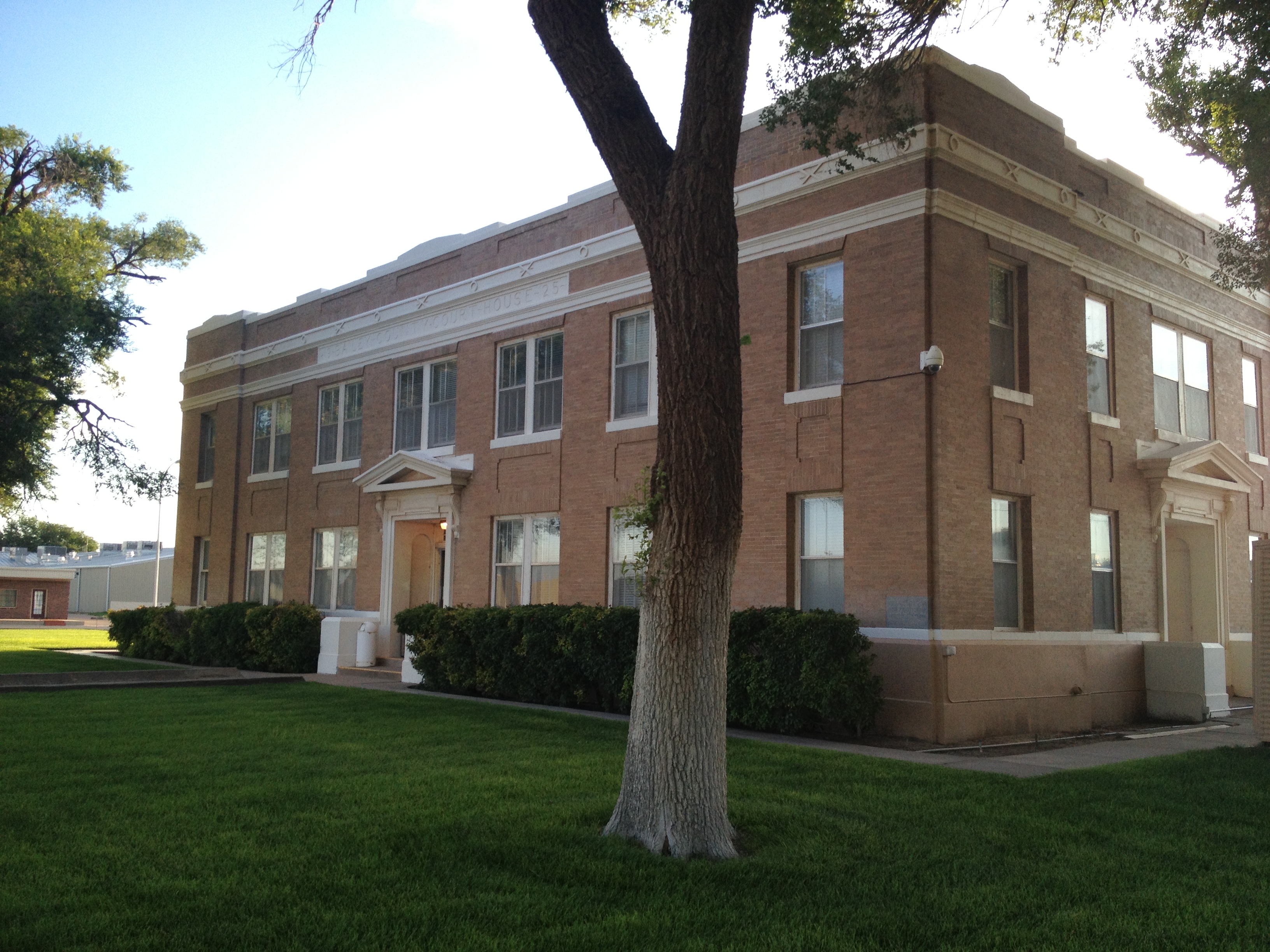
Bailey County Courthouse 1925
Architect: M.C. Butler (his only courthouse)
Number for the County: Second
Style: Classical Revival
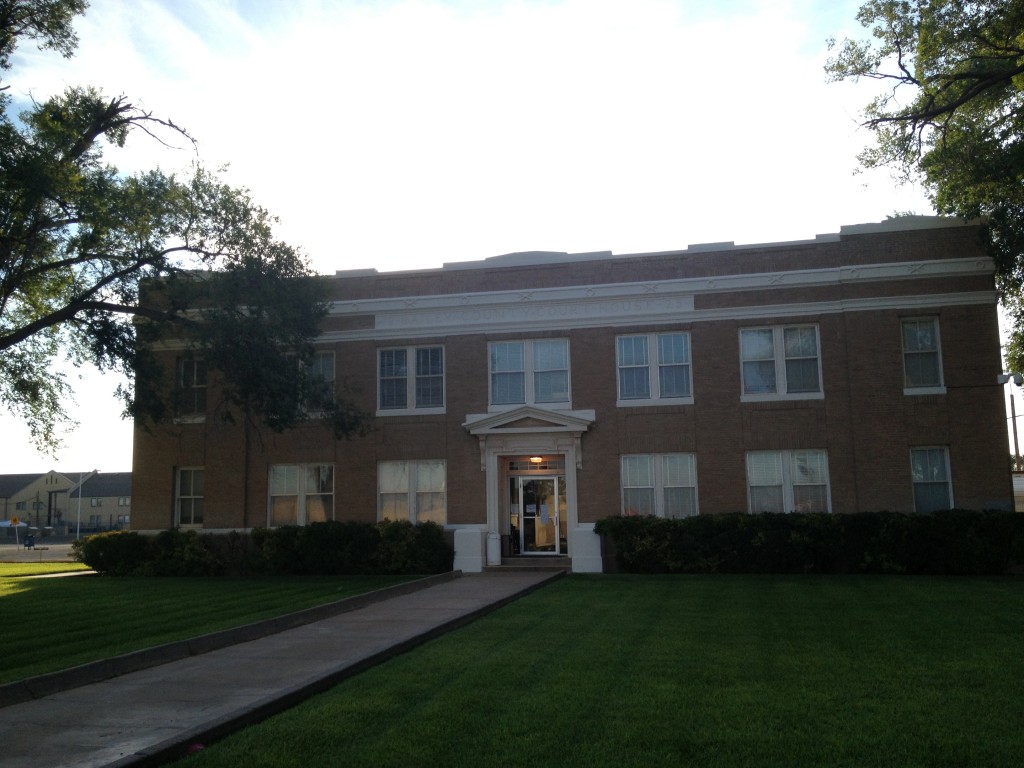 The Bailey County Courthouse is more plain than others, but elegant still.

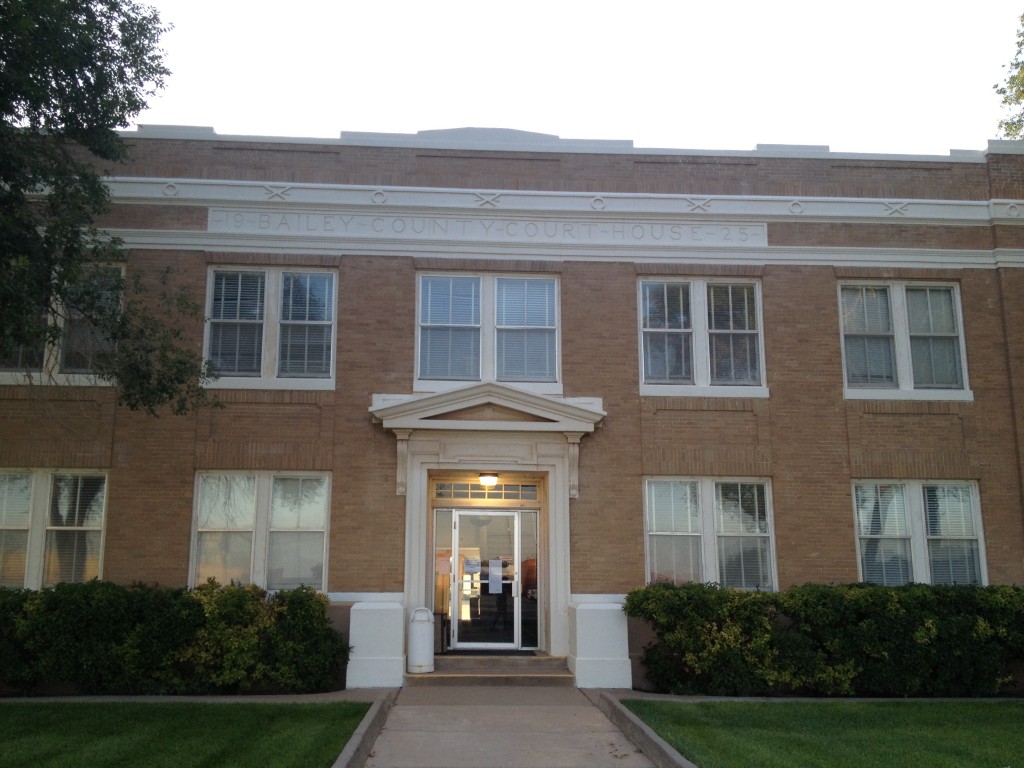

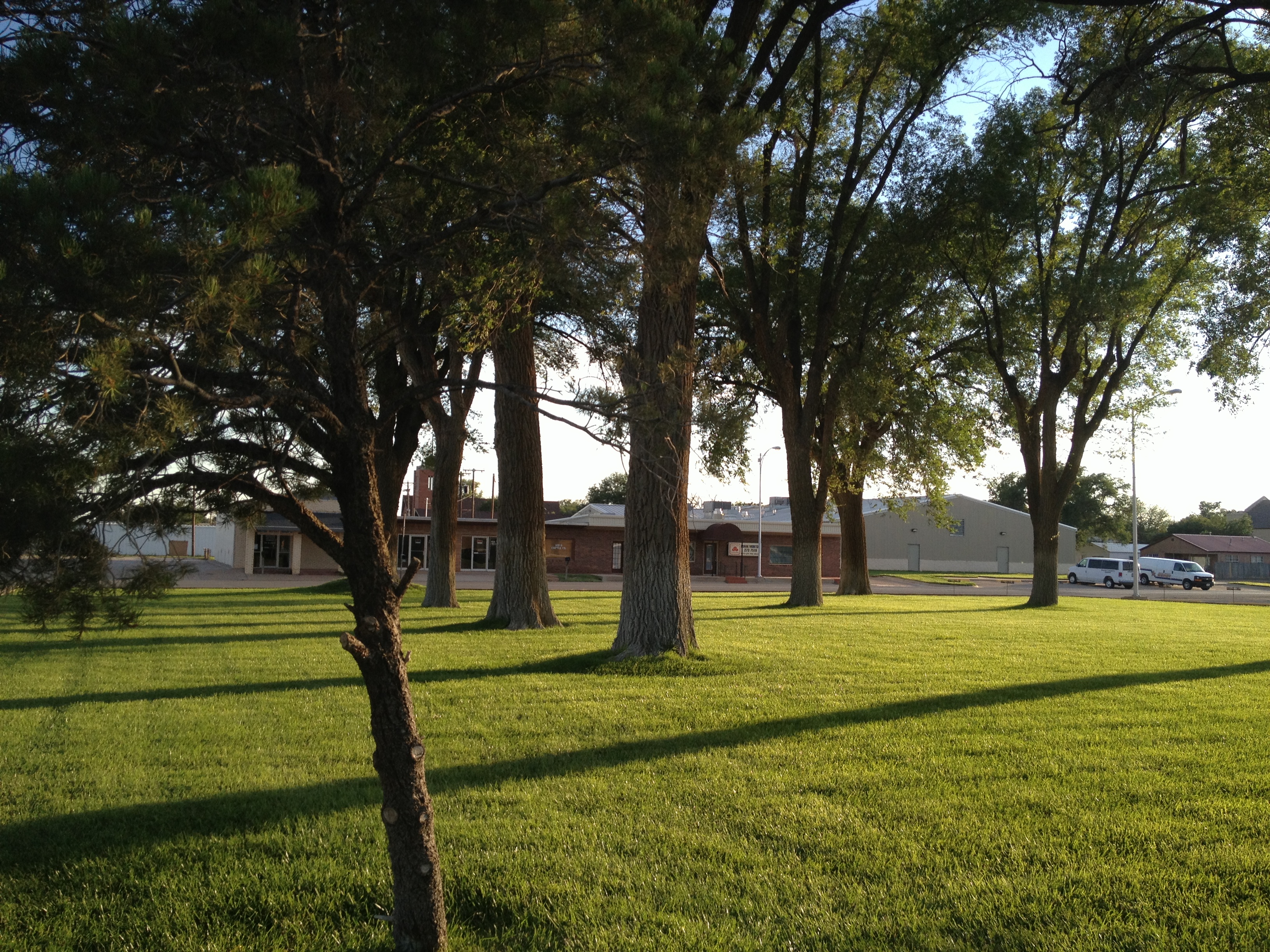 The center of the square is covered with groves of trees, along with the courthouse.

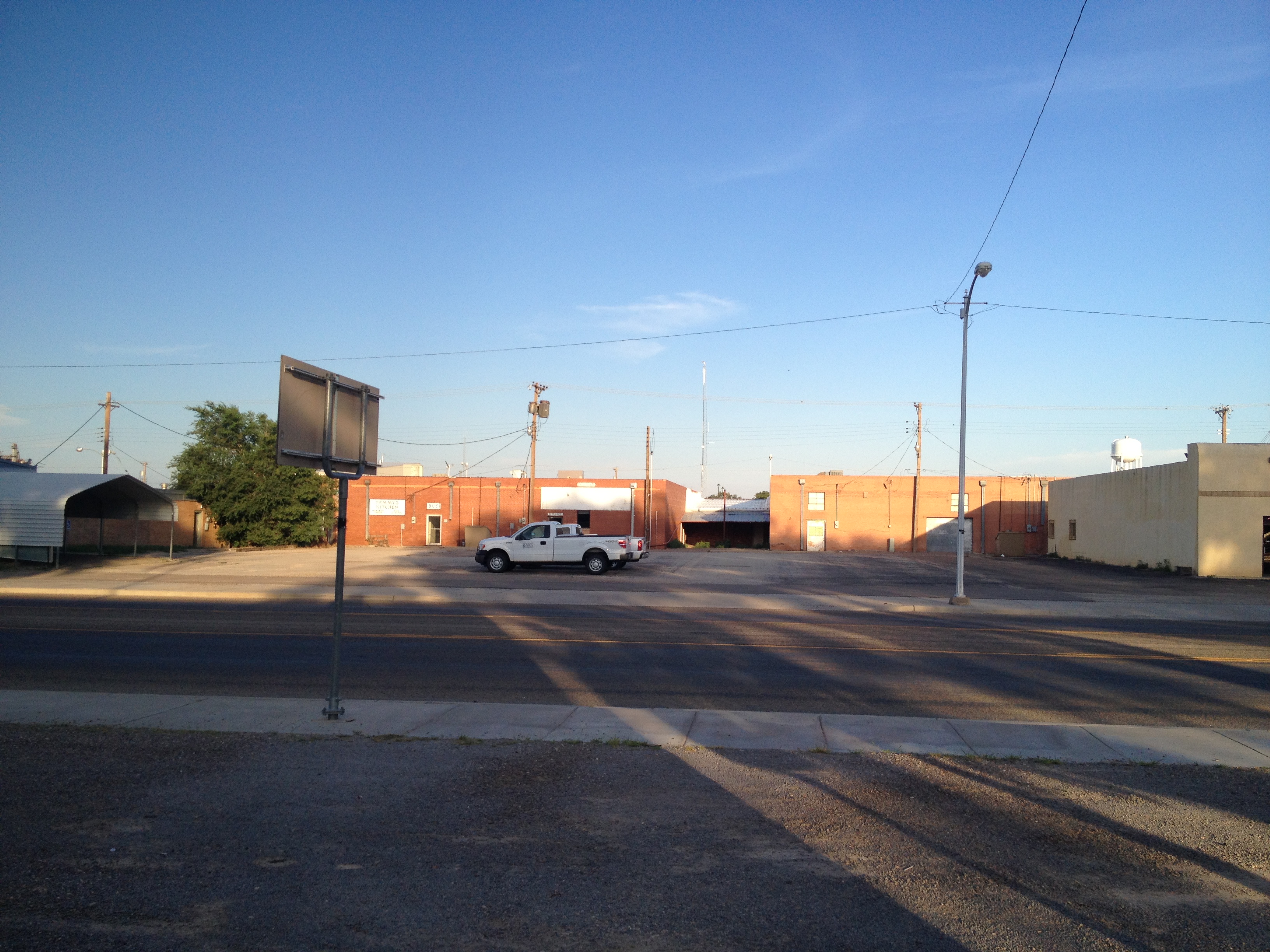 View of 1st Street from the path leading from the southeastern entrance.
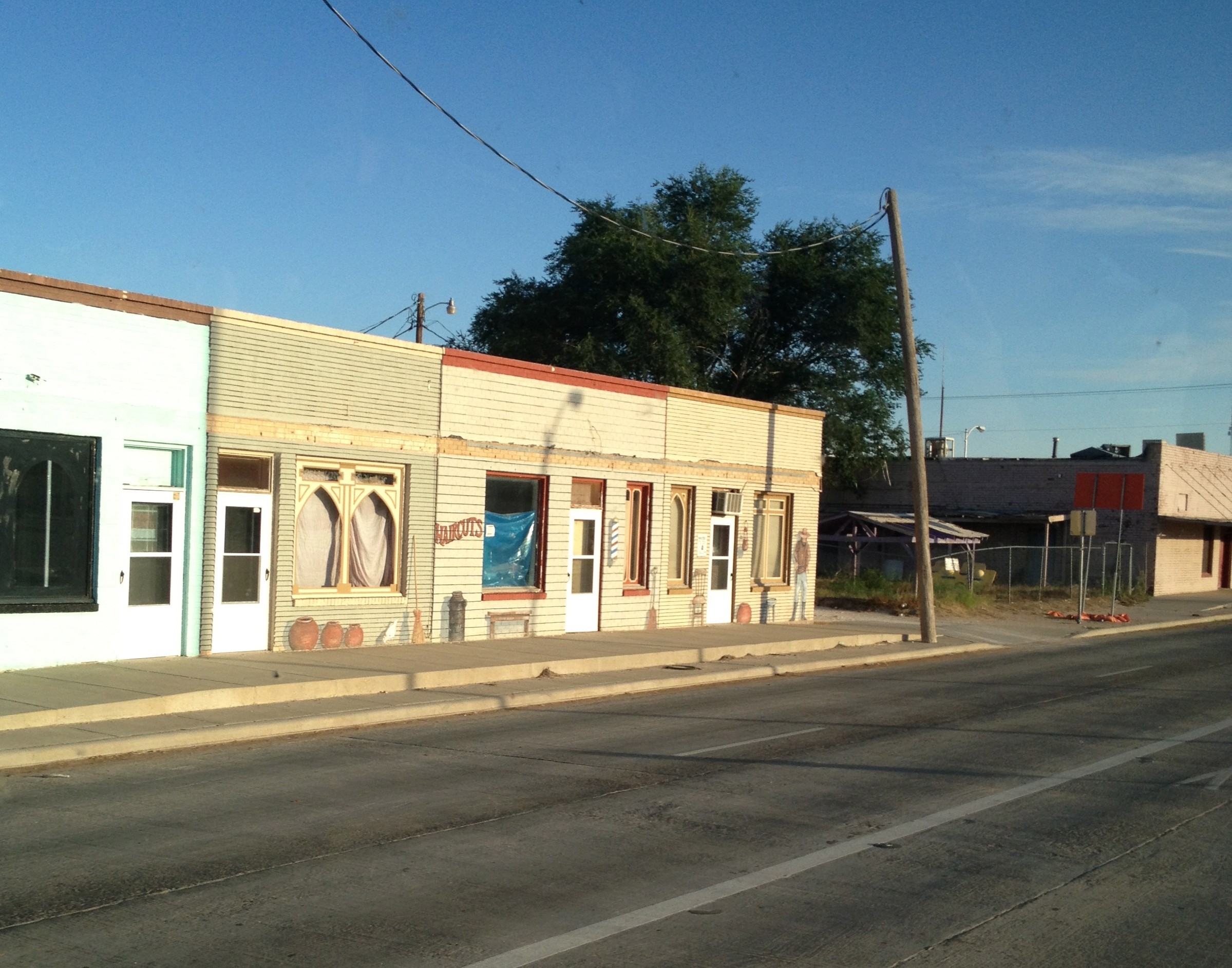
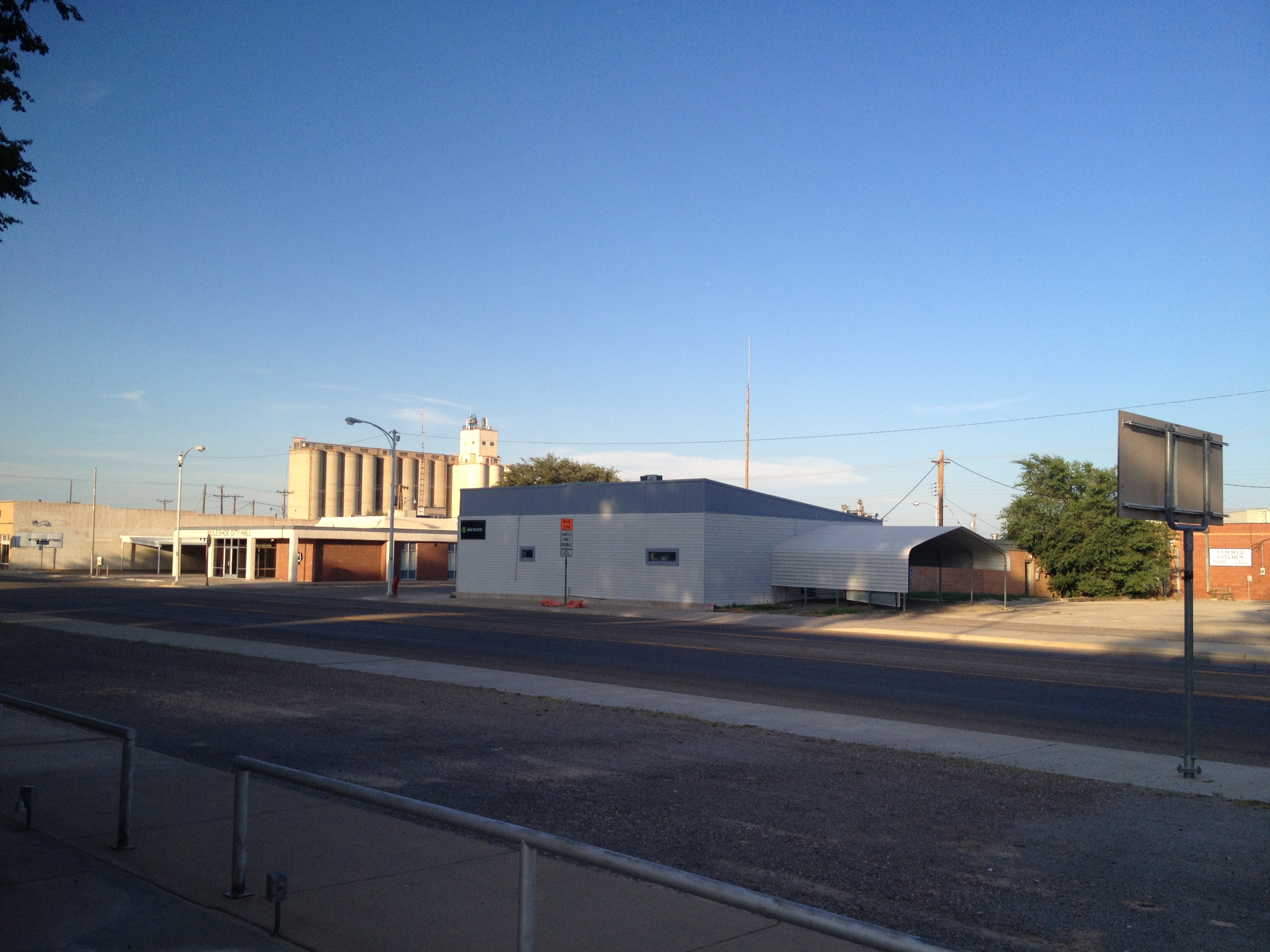 Muleshoe street scene, including city hall and a large grain silo
 1st Bank across the street from the courthouse.
 The Texas Panhandle